
Cracking the Code of Time: How AI is Unraveling Lost Languages and Hidden Histories
Dec 31, 2024
9 min Read
Imagine being able to hear the voices of ancient civilizations, understand their stories, and unlock their secrets, all with the help of advanced technology. Thanks to the transformative power of artificial intelligence, this is no longer just the stuff of science fiction. AI is becoming a revolutionary tool in historical research, taking on the role of a digital archaeologist, decoding lost languages, and shedding light on long-forgotten chapters of human history.
Machine learning algorithms - once reserved for analyzing social media trends or powering recommendation engines - are now stepping into the realm of historical mysteries. Just as the Rosetta Stone once helped us unlock the language of ancient Egypt, AI is translating inscriptions, reconstructing fragmented texts, and uncovering patterns invisible to the human eye. From deciphering the undecoded Linear A script to piecing together the life stories of ordinary people from incomplete records, AI is bridging the gap between the past and the present like never before.
This fusion of technological innovation and archaeology is not just about solving age-old puzzles - it’s about understanding who we are as a species. Every fragment decoded and every narrative uncovered adds depth to the tapestry of human history. As AI opens doors that have been closed for millennia, it’s clear that we’re entering a new era of exploration - one where the past is no longer out of reach but alive and waiting to be rediscovered.
Linguistic Reconstruction with AI
Linguistic reconstruction using artificial intelligence involves three key components:
1. Machine Learning
2. Neural Networks
3. Generative AI
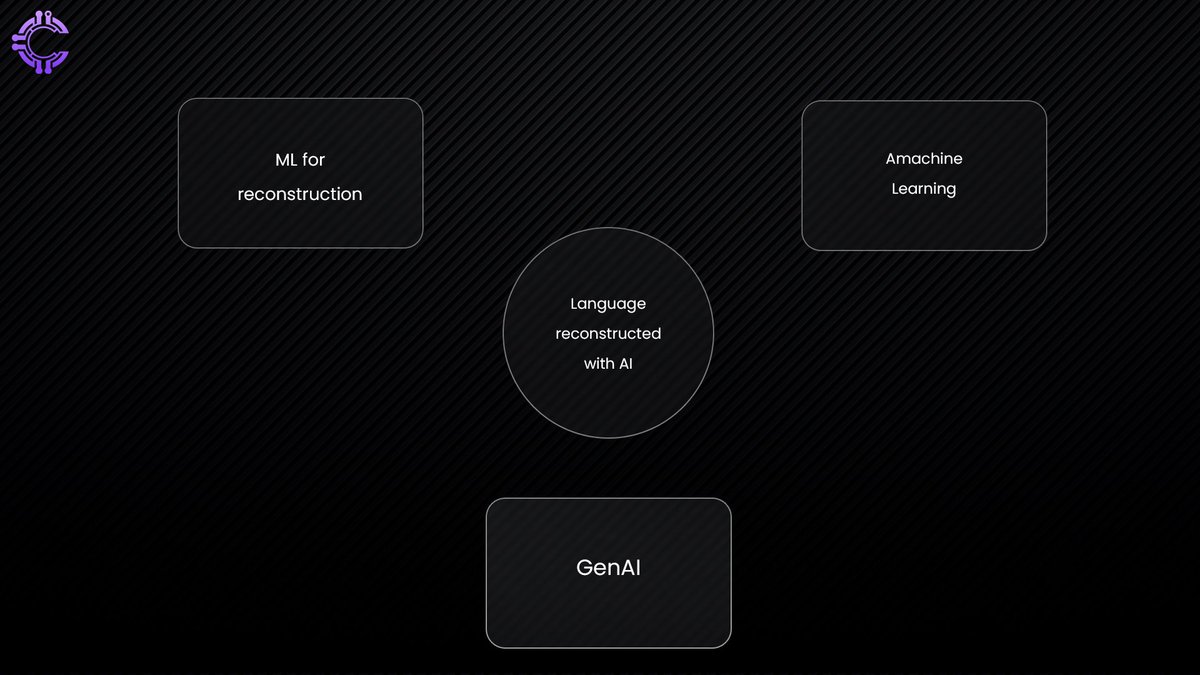
At the heart of AI’s power to unravel lost languages lies its innovative machine learning architectures. These advanced models are enabling researchers to analyze ancient scripts, detect patterns, and make connections that were previously unimaginable. From visual pattern recognition to semantic mapping, AI’s arsenal is transforming how we approach linguistic mysteries.
Neural Networks
Neural networks, particularly Convolutional Neural Networks (CNNs), are key players in this revolution. Designed for image analysis, CNNs excel at identifying patterns in visual data, making them invaluable for studying ancient inscriptions and symbols. They can detect subtle variations in script forms, helping researchers piece together fragmented texts and reconstruct entire writing systems. For example, CNNs have been applied in the DeepScribe Project, which focuses on decoding the cuneiform tablets of Mesopotamia.
But decoding a language isn’t just about recognizing symbols - it’s about understanding their sequence and meaning. That’s where Recurrent Neural Networks (RNNs) and their advanced counterparts, like Long Short-Term Memory networks (LSTMs), come in. These models are designed for sequential data, making them ideal for modeling language structures. They allow researchers to predict the next plausible character in a sequence, aiding in reconstructing incomplete texts. Initiatives like the Phaistos Disc Analysis Project have leveraged such techniques to study undeciphered ancient texts.
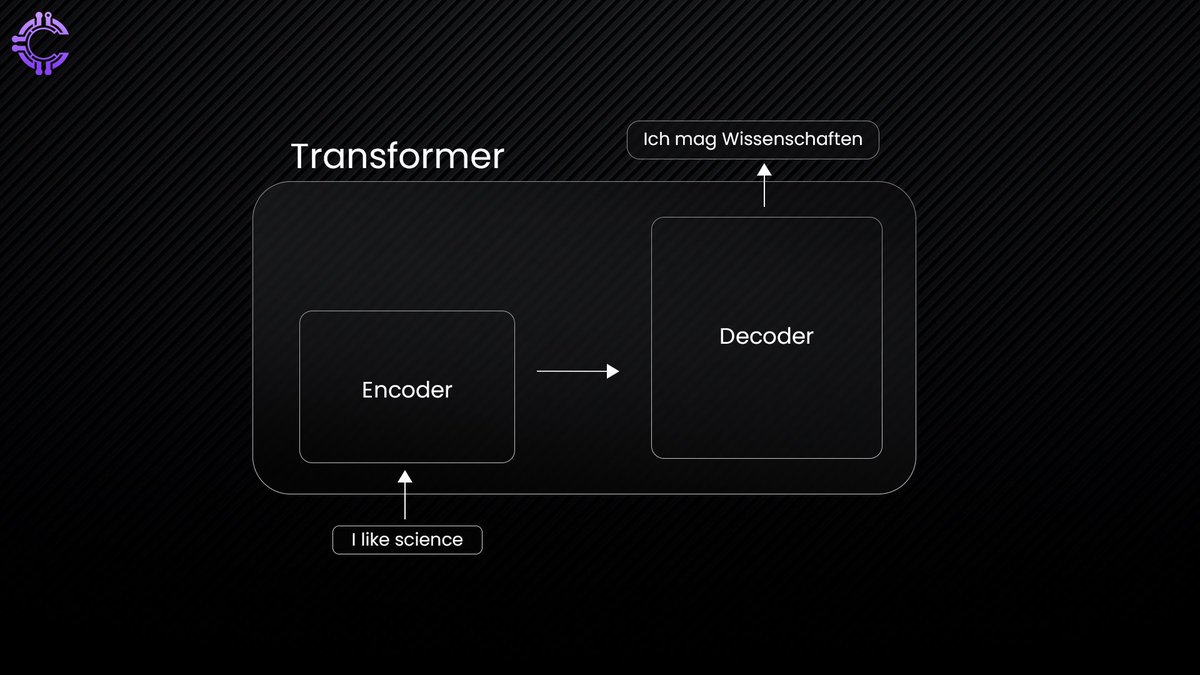
The game-changing Transformer architectures, like the ones behind OpenAI’s GPT models, are also proving their worth in linguistic decoding. By processing entire texts in parallel, rather than sequentially, Transformers can grasp context and relationships between words or symbols on a much larger scale. The Google AI Ancient Text Project is using Transformers to analyze and translate ancient Greek texts with astonishing accuracy.
Role of GenAI
Additionally, Generative AI models are stepping in to hypothesize potential meanings and linguistic structures. By training these models on known languages and scripts, researchers can simulate how ancient systems might have worked, offering plausible translations and interpretations that can then be tested against archaeological evidence. For instance, the Indus Valley Decipherment Project is experimenting with generative AI to reconstruct lost languages.
Through the synergy of these architectures and projects, AI is not only advancing the study of well-documented languages but also unlocking the secrets of those long considered indecipherable. With each step forward, machine learning is becoming the ultimate tool in humanity’s quest to reconnect with its ancient past. The possibilities are as vast as the histories yet to be uncovered.
From Artifacts to Algorithms: How AI Processes and Decodes Ancient Data

One of the biggest challenges in unraveling ancient languages lies in the delicate and fragmented nature of the data. Archaeological artifacts - inscribed clay tablets, eroded stone carvings, or disintegrating manuscripts—have suffered the ravages of time, making data collection and processing a monumental task. To extract usable information from these fragile relics, researchers are turning to advanced AI-driven techniques.
Feature extraction from archaeological artifacts is a critical first step. AI tools, powered by advanced image processing techniques, can enhance faint inscriptions and reconstruct missing sections of text. These methods include edge detection, spectral imaging, and 3D modeling, which allow researchers to digitally restore artifacts without risking physical damage. For instance, spectral imaging has been instrumental in reading charred papyri from Herculaneum, where human eyes see nothing but ash.
Once the symbols or text are extracted, probabilistic modeling comes into play. This involves using statistical approaches to hypothesize possible linguistic structures. AI models analyze recurring patterns in the data, attempting to map relationships between symbols, their order, and their potential meanings. These models often draw from statistical techniques like n-grams and Bayesian inference, enabling researchers to make educated guesses about the grammar and syntax of unknown writing systems.
Through these computational linguistics approaches, even the most degraded inscriptions can be transformed into datasets ripe for analysis.
The Power of Interdisciplinary AI in Unlocking Ancient Mysteries
AI’s success in decoding lost languages doesn’t exist in isolation—it thrives at the intersection of multiple disciplines. By combining expertise from archaeology, linguistics, and computer science, researchers are crafting innovative methodologies to uncover hidden histories.
Archaeological expertise and computational linguistics work hand-in-hand to contextualize findings. AI models don’t just process data; they rely on cross-referencing techniques with historical databases to identify cultural and chronological links. For instance, a symbol in one ancient script may be linked to another culture’s writing system, enabling comparative analysis.
Training machine learning algorithms on language evolution patterns further enhances their predictive capabilities. By understanding how modern languages have developed from ancient roots, these models can simulate similar evolutionary processes for lost languages.
Contextual inference mechanisms add another layer of depth. These AI-driven tools analyze the surrounding environment of inscriptions—geography, associated artifacts, or even trade patterns—to infer meanings and relationships. For example, an inscription found in a merchant’s ledger might point to economic terms rather than religious ones.
Through these interdisciplinary methods, AI is turning the fragments of the past into a cohesive narrative, illuminating the stories of civilizations long thought lost to history.
Groundbreaking Success Stories: How AI is Cracking History’s Toughest Codes
AI’s potential to decode ancient mysteries is not just theoretical—it’s already making waves in historical research. Here are some of the most exciting breakthroughs and ongoing projects where AI is reshaping our understanding of the past.
The Indus Valley Script: Toward a Digital Rosetta Stone
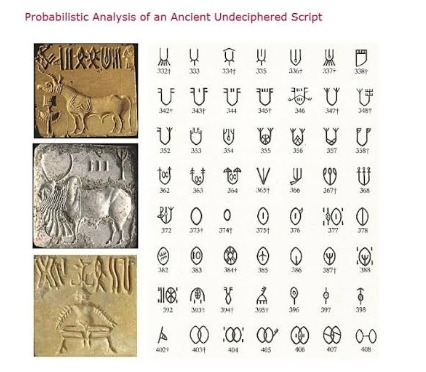
The enigmatic script of the Indus Valley Civilization remains one of history’s greatest linguistic puzzles. With no bilingual inscriptions (like the Rosetta Stone) and only short sequences of symbols, traditional approaches have struggled to crack its code. Enter AI, with its unparalleled ability to detect patterns in complex datasets. Machine learning models are being trained to analyze the structure of the script, identify symbol frequencies, and hypothesize grammatical rules. CNNs, for instance, are helping to recognize recurring visual patterns in inscriptions, while probabilistic models are testing linguistic relationships. Although the script isn’t fully decoded yet, AI is narrowing the possibilities, offering tantalizing glimpses into the trade, governance, and daily life of this ancient civilization.
AI isn’t just tackling the Indus Valley script—it’s taking on other historical challenges too.
Linear A (Minoan Civilization): Despite decades of effort, this ancient Cretan script remains undeciphered. AI models trained on its successor, Linear B, are now offering new insights by comparing symbol structures and language patterns.
Pre-Columbian Mesoamerican Scripts: From the Mayan glyphs to lesser-known codices, AI is helping to piece together fragmented inscriptions, revealing cultural and spiritual practices.
Reconstructing Ancient Manuscripts: Generative AI models are being applied to fragmentary manuscripts, filling in missing text and restoring damaged passages. Projects like this have resurrected sections of the Dead Sea Scrolls and medieval texts.
Ethical Challenges in AI-Driven Decoding - and Why Decentralized AI Could Be the Key
As groundbreaking as AI is in uncovering ancient mysteries, it brings its own set of ethical and practical challenges. Dealing with incomplete historical records often means that algorithms must work with fragmented or ambiguous data, increasing the risk of misinterpretation. Moreover, algorithmic bias - where AI systems unintentionally reflect the cultural or linguistic assumptions of their creators - can skew results, potentially distorting historical narratives.
Another challenge is validating AI-generated hypotheses. While AI can suggest connections or translations, these must be cross-checked against archaeological evidence and expert opinion. This underscores the critical role of human oversight in ensuring that interpretations remain accurate and culturally sensitive. After all, AI is an interpretative tool, not a definitive translator. Preserving the nuances of ancient cultures—such as symbolic meanings or regional dialects—requires a careful balance of computational power and scholarly insight.
One promising solution to these challenges is decentralized AI. By distributing data and processing across a network of global experts and institutions, decentralized AI systems can incorporate diverse perspectives and minimize bias. Such an approach allows datasets from different cultures, regions, and disciplines to be cross-referenced collaboratively, enhancing the accuracy and cultural sensitivity of interpretations.
For example, a decentralized model analyzing the Indus Valley script could incorporate insights from linguists in South Asia, historians of ancient trade, and computer scientists worldwide. This democratized approach not only improves transparency but ensures that no single narrative dominates. In this way, decentralized AI can make the quest to decode history truly global, ethical, and inclusive.
Conclusion: The Next Frontier in Decoding History
AI is not just transforming how we study ancient languages and civilizations—it’s reshaping the way we connect with our shared past. From the faint etchings on a cuneiform tablet to the cryptic symbols of the Indus Valley script, technology is turning history’s whispers into a symphony of discovery. These breakthroughs are not only unraveling linguistic puzzles but also revealing the lived experiences, beliefs, and aspirations of people long gone.
Yet, as we marvel at what AI has achieved, we are reminded of how much more remains hidden. Every decoded symbol hints at countless others waiting to be unlocked. What secrets do the undeciphered Linear A tablets still hold? What might the silent inscriptions of pre-Columbian cultures tell us about their rituals, art, and worldview? AI has brought us closer than ever to these answers, but the journey is far from over.
As decentralized AI and interdisciplinary collaborations grow, so does our potential to unearth untold stories. But in this race against time, there’s a tantalizing question lingering just out of reach: what if we’re on the brink of a discovery that could completely rewrite our understanding of human history?
The answers lie buried in ancient texts, waiting for the right combination of human ingenuity and machine precision to uncover them. With each advancement, the past inches closer to our grasp—setting the stage for revelations that could redefine our future. The real question is: are we ready for what we might find?
About Cluster Protocol
Cluster Protocol is the co-ordination layer for AI agents, a carnot engine fueling the AI economy making sure the AI developers are monetized for their AI models and users get an unified seamless experience to build that next AI app/ agent within a virtual disposable environment facilitating the creation of modular, self-evolving AI agents.
Cluster Protocol also supports decentralized datasets and collaborative model training environments, which reduce the barriers to AI development and democratize access to computational resources. We believe in the power of templatization to streamline AI development.
Cluster Protocol offers a wide range of pre-built AI templates, allowing users to quickly create and customize AI solutions for their specific needs. Our intuitive infrastructure empowers users to create AI-powered applications without requiring deep technical expertise.
Cluster Protocol provides the necessary infrastructure for creating intelligent agentic workflows that can autonomously perform actions based on predefined rules and real-time data. Additionally, individuals can leverage our platform to automate their daily tasks, saving time and effort.
🌐 Cluster Protocol’s Official Links: